Whether you’re holiday shopping or celebrating another occasion, you likely landed here because you’re searching for the best gifts for writers. Hi! I’m Robyn, aka the Copy Bitch. I‘ve been a freelance copywriter since 2002, and I moonlight as a fiction writer.
Below, I’m sharing some of the best gifts for writers based on real items that people have given me or that I’ve bought for myself.
** Disclaimer: I use Amazon affiliate links for relevant product links below. If you click a link and buy something, it won’t cost you more. But I’ll earn a small commission.**
Best gifts for writers: You can never go wrong with books.
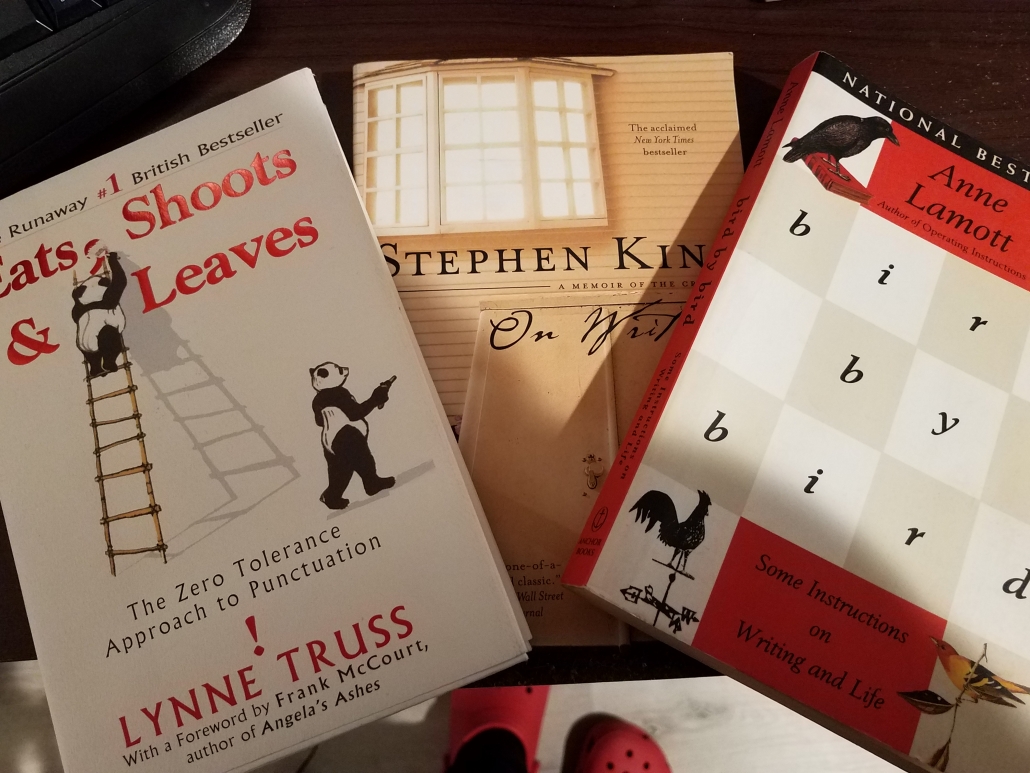
Writers read, full stop. The best writers read widely and deeply, and they tend to love books ABOUT writing. Here are my go-to suggestions whenever someone asks about what books they should give to writers.
Note: I’m willing to bet most copywriters are aspiring fiction writers. (Maybe not ALL, but most.) So the first two books below will help scratch that itch (but the wisdom in both can absolutely be applied to what we copywriters do, too). The third book is one ALL writers can benefit from reading.
I received Bird by Bird back in 1994 from my then-boyfriend. The relationship didn’t survive, but the book sure did. Anne Lamott is one of my favorite nonfiction writers. I appreciate her wit, hippie vibe, and advice about the writing life.
Note: This book doesn’t teach you how to write. Plenty of other books exist about that. This book is a good companion to how-to books because it talks about very real things plaguing writers like embracing the “shitty” first draft. The book is geared toward creative writers, but many of the principles she discusses apply to other writing, including copywriting.
The book’s title refers to a moment from Lamott’s childhood when her brother waited until the last minute to write a report about birds. The little brother was crying and wondering how he would finish it because he had so many birds to write about. And Lamott’s father, also a writer, told the boy to take it one bird at a time. In other words, bird by bird. This is great advice for writers of all stripes facing a mountain of deadlines and other responsibilities. Tackle the list bird by bird.
If you don’t like King, that’s OK, but don’t dismiss this book outright. Even if you’re not a Stephen King fan, we can still agree that he’s a successful writer (one of the most successful of all time) and obviously knows a thing or two about what goes into writing novels and making a living doing it.
This book has more writing instruction than Lamott’s, but this book is still more memoir than a “how-to book.”
Still, it’s a great one to gift writers. There’s so much wisdom and practical advice within.
Nothing makes a professional writer look like an amateur faster than sloppy grammar and punctuation. Yes, typos happen, but there’s no excuse for making the same mistakes repeatedly. So, here’s a fun book to read that will help you improve your punctuation skills.
OK, shameless self-promotion. But if the writer on your list likes psychological suspense (think Gone Girl), consider giving them a copy of my novel.
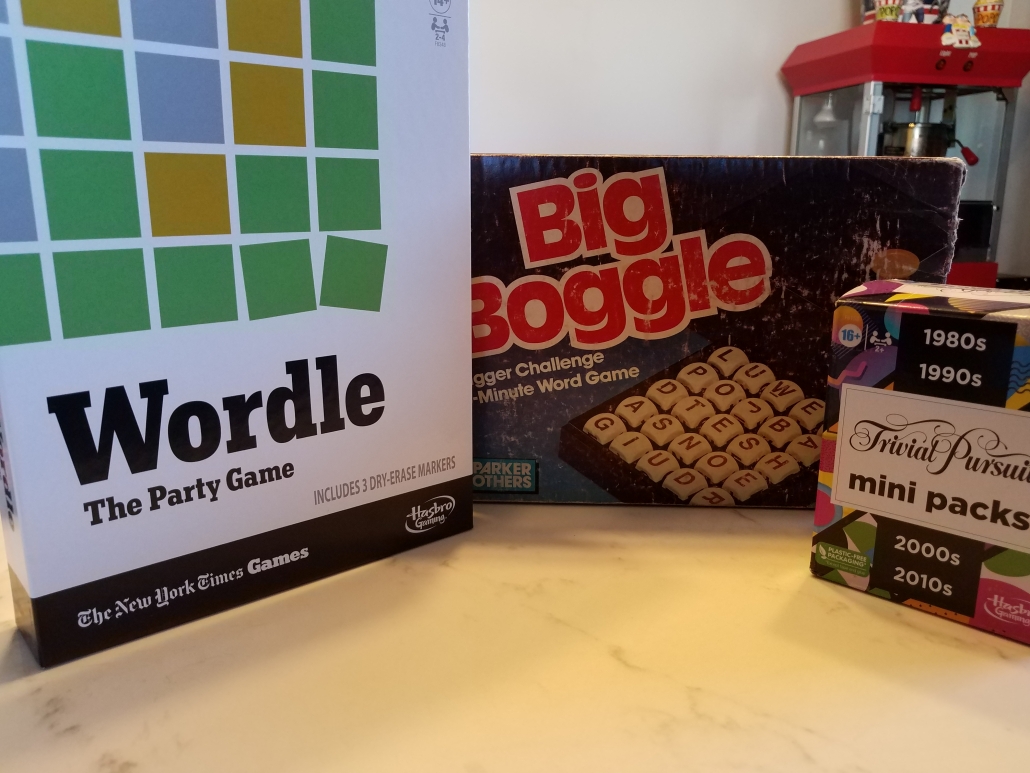
Best gifts for writers: Word games are always fun.
Big Boggle
I used to love playing this game as a kid. Mister Word Nerd’s mom found this game in her attic and gave it to us. We played it many times on our deck this past summer and had a ball. Here’s the Amazon affiliate link: https://amzn.to/49Qilrk
Trivial Pursuit Mini Packs
Our pack covers the 1980s, 1990s, 2000s, and 2010. We played during meal prep and dinner on the deck. Super fun! Here’s the Amazon affiliate link: https://amzn.to/3uBWGTA
Wordle
If the writer in your life is obsessed with Wordle, this game is for them! Here’s the Amazon affiliate link: https://amzn.to/3sQB9Gl
Best gifts for writers: A writer can never have too many mugs.
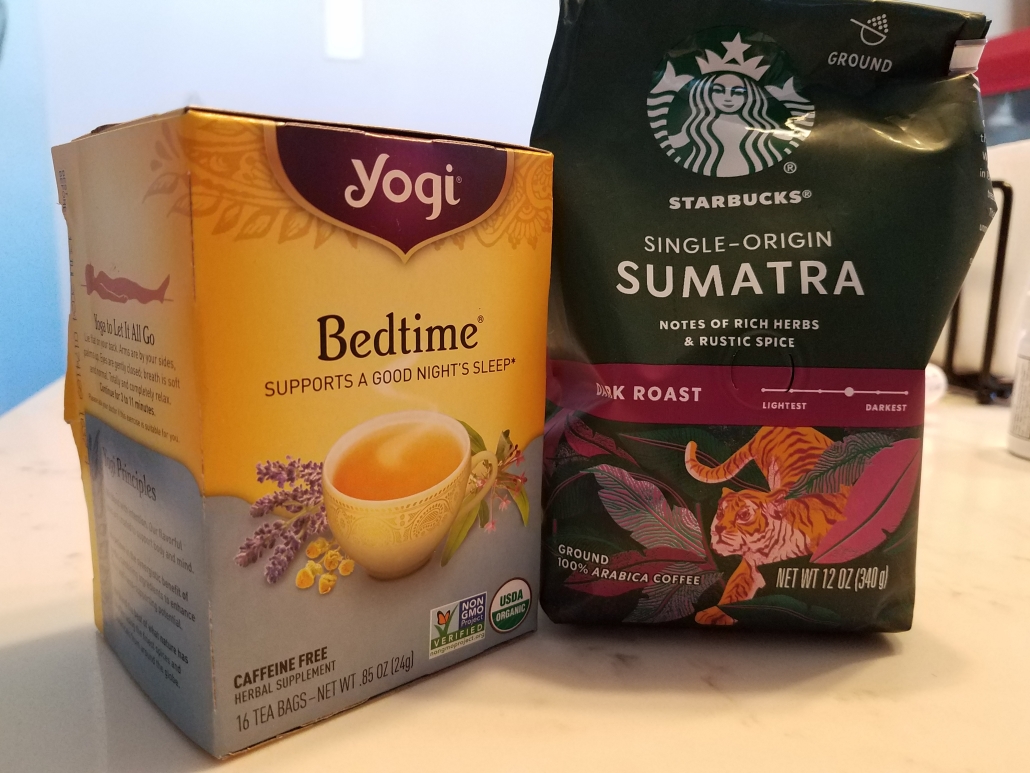
Most writers are either coffee fiends or tea aficionados (or both). Even if they’re not into tea or java, they should be drinking something, like water. Gotta stay hydrated for long stretches at the desk. So mugs are always welcome—and even more so when they’re witty and related to writing.
Here are a few of my faves. I own all three (see the pic below). The ones I’m linking to on Amazon aren’t exactly like mine, but they’re close.
Mug #1: Pay no attention to my browsing history. I’m a writer, not a serial killer.
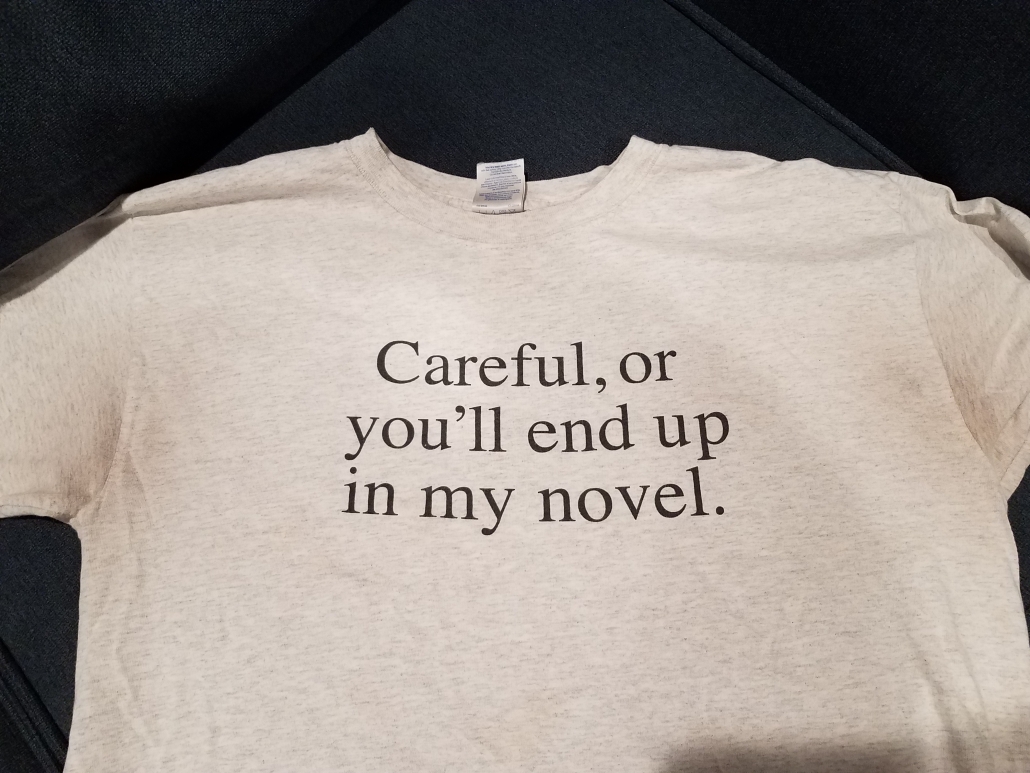
My best friend’s dad (hi, Mr. C!) was one of my advisors during grad school. He gifted me the shirt below after I finished writing my first novel. Here’s the Amazon affiliate link: https://amzn.to/49NVj4p
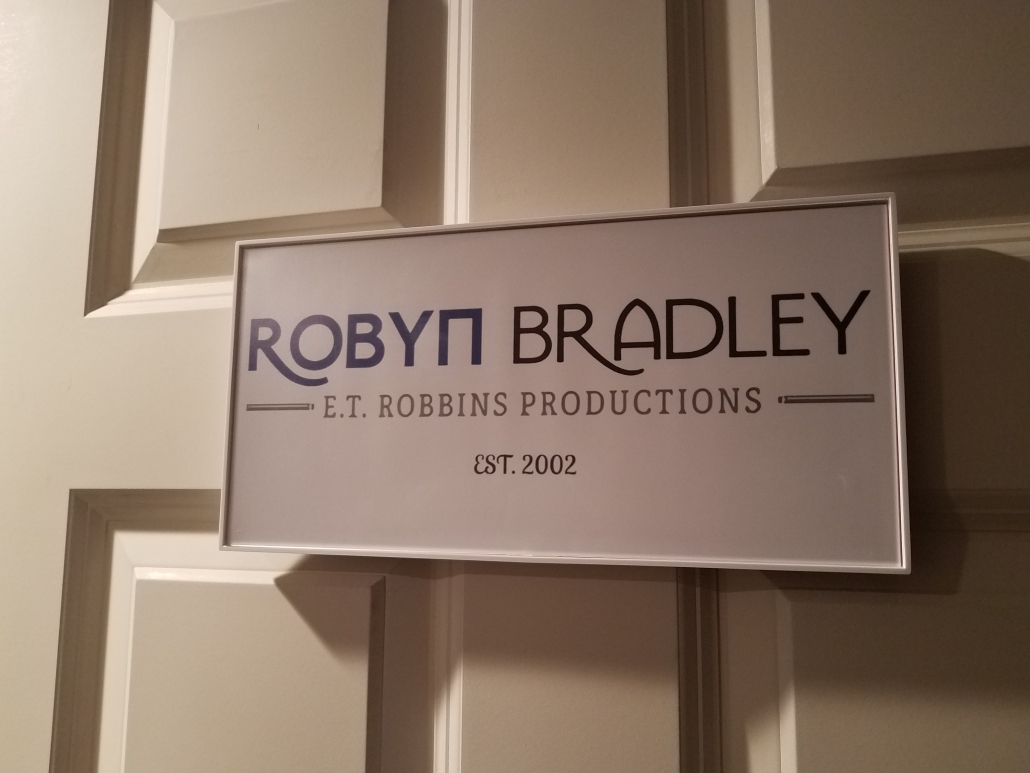
Mister Word Nerd made a custom sign for my home office with my name (in the same font and colors as my website logo) and “Est. 2002” to commemorate when I started my biz. This was the perfect gift since we’d just bought a house together. I don’t know where he got mine done, but I searched on Amazon, and you have options! Here’s an Amazon affiliate link: https://amzn.to/3uthdd3
Happy shopping! 🙂
https://etrobbins.com/website/wp-content/uploads/2017/04/robin-bradley-logo-300x105.png00Robyn Bradleyhttps://etrobbins.com/website/wp-content/uploads/2017/04/robin-bradley-logo-300x105.pngRobyn Bradley2023-11-25 07:00:252025-01-27 17:32:42Best Gifts for Writers Compiled By a Writer
Let’s talk about welcome email series. I love writing welcome emails. They’re fun, warm, and—as the name suggests—welcoming. You’re essentially telling a person, “YAY! Thanks for signing up. We’re so glad you’re part of our community. Here’s a cookie!”
Now you might be thinking, WAIT. NO ONE SAID ANYTHING ABOUT COOKIES.
Maybe I should back up a little first . . .
Below, I’ll discuss the following:
What is a welcome email?
How do welcome emails work?
Why do businesses send welcome emails?
What should be in a welcome email?
What’s the difference between a welcome email and a welcome email series or sequence?
What do copywriters need to write for welcome email sequences?
What are some examples of welcome email campaigns?
What are three big mistakes businesses make when setting up welcome email series (and how to avoid them)?
What is a welcome email?
Businesses or individuals send welcome emails after someone subscribes to their email list. (This action is called a “trigger” in marketing parlance.)
In other words, someone ASKS to be added to the email list—and they do so by entering their email address into a sign-up box and hitting “submit” (or something along the lines of “YES! I want to be added to the list”).
Does the business manually send the emails?
Nope, the business doesn’t manually send the welcome emails. Businesses use marketing automation to send the emails—and to add the person’s email address to an actual list. Most businesses send the initial welcome email ASAP (right after someone signs up).
Marketing automation is software that allows you to send the right message to the right person at the right time. It’s baked into products like HubSpot. But you can also use email marketing automation products focusing only on email marketing (like Mailchimp or Constant Contact).
Email is an effective way to communicate with customers, clients, and prospects, mainly because everyone carries around their phones, so emails are only a click or two away.
Email marketing offers incredible return on investment (ROI) as well.
How does a welcome email series work?
As for how the process works . . .
Usually, there’s a sign-up box on the business website—often in the footer.
Someone enters their email address (and possibly their first name) and hits “submit” or its equivalence.
One of two things happens from there: The person is automatically added to the list. OR the person needs to take another action and confirm their subscription request. This is known as a double opt-in campaign. You’re double-checking with the person that they want to join your list.
Once the person has been added to the list, the welcome email goes out (timing is up to the business, but I find most send it ASAP, which is also what I recommend)
Why do businesses send welcome emails in the first place?
First off, it’s just the polite thing to do. When someone tells you they’re interested enough in your products or services to surrender their email address, it’s only polite to say thanks.
It makes sense that welcome emails have such a high open rate. The person just said that they WANT to hear from you. They’re essentially a captive audience. So when you send that first email, there’s a GREAT chance they’ll open it. When they see your name in their inbox within an hour, they will recognize it—and likely open the email!
And that brings me to the next point.
When should you send your welcome email?
If you’re using a double opt-in, the welcome email should automatically be sent after someone confirms their email address.
Again, it’s all about being top of mind. Your brand—or your client’s brand—is on the person’s mind. They just took the action of signing up. And if you have double opt-in enabled, they are in their inbox right now and paying attention. You have the best chance of them opening if you send it ASAP.
And that brings me to this: What do I mean by “you” send it?
Obviously, you’re not manually sending welcome emails the moment someone signs up. That would be ridiculous and hard to manage. There’s sleep to be had, sloths to be played with, and chocolate to be eaten!
That’s where marketing automation comes into play. As I mentioned earlier, marketing automation sends the right message to the right person at the right time—and as its name suggests, everything happens automatically in the background. So the software you’re using—whether it’s a product like MailChimp or Constant Contact or the marketing automation is baked into a bigger product like HubSpot—the automation would handle the sending of the welcome email.
But for best results, you’ll want to send the initial welcome email ASAP.
What should be in the welcome email?
Ah, that depends. This is why writing welcome emails can be so much fun for copywriters since it isn’t one size fits all. What you write will depend on the brand. You’ll want to always include some basic housekeeping info, like how the person can manage their preferences or unsubscribe. But from there, the sky’s the limit.
Here are some popular things to include in welcome emails:
Give a special welcome “deal” like a coupon code or limited-time offer to encourage them back to your site and/or to complete the purchase
Remind them about your brand values
Highlight 5-star reviews
Highlight the brand’s aspirational side (like its charitable arm or nonprofits it supports)
Encourage people to follow the brand’s most active social channels
Include a video—people LOVE videos
Offer downloadable content – a checklist, a guide, a white paper (this is great for b2b)
What’s the difference between a welcome email—and a welcome email series or sequence?
The welcome email is exactly as it sounds—it’s the first email someone receives after they opt-in, welcoming them to your newsletter list or community.
Depending on the business, you might send subsequent emails as part of a more robust welcome email series or sequence.
Retailers tend to send lots of emails after an initial sign-up—and they tend to send more emails in general, often multiple times a week and possibly even daily in stretches (e.g., during holidays).
A b2b welcome email series might have a different cadence—maybe it’s just one initial welcome email and then a monthly or every-other-week cadence.
If someone has signed up for a free trial of a product or service, it’s typical for the welcome email series to be several emails over that free trial period of 14 days or 30 days or whatever it is.
Your initial welcome email should set the expectations—hey, you’ll be hearing from us every week, or hey, you’ll be hearing from us once a month.
Because you have that captive audience—someone has expressed interest in your brand—it does make sense to consider a welcome email series, even if it’s just an additional email or two on top of the original welcome email. And then, from there, you can get into the regular cadence (e.g., weekly, monthly).
As the writer, you must put the same effort into the last email as you do the first. I’d argue you have to put in even more effort. We already know the initial welcome email enjoys a high open rate. But the further along you go in a welcome email series, the lower the open rate. This is natural. But you can boost the chances of someone opening it by writing strong subject lines—and encouraging your client to run A/B tests of the subject lines to see which ones perform best.
What copy do copywriters produce for welcome email sequences?
Remember that you need to write the copy for each email in the welcome email series. This includes body copy, subject lines, and preview lines.
In addition, you’ll be writing the copy for the following:
The text accompanying the sign-up box.
The text for the “submit” button (ideally, make it more fun than “submit”)
The thank-you text on the page after someone submits their email address. This thank-you text lets people know they’ve successfully signed up OR they need to confirm their subscription by clicking on a button in a confirmation email. Again, the latter is a “double opt-in” campaign. You’re double-checking that the person wants to be on your email list.
If you’re running a double opt-in campaign, you’ll write the copy for the subscription confirmation email AND the message that appears after someone successfully confirms their opt-in.
If you’re not running a double opt-in campaign, you’ll still need to write the message that appears after someone successfully signs up, even if it’s just to let them know exactly that: You’re all set! We’ve added you to our list. Be on the lookout for our first email, which should arrive shortly. Check your spam/junk folders if you don’t see it.
What are some welcome email examples?
In the video below, I walk you through email sign-ups for two businesses (including an example of a double opt-in campaign) and then show you the welcome emails I received.
Fast forward to 12:05 to watch.
What are the big mistakes businesses make when setting up welcome email series (and how to avoid them)?
Mistake #1: Not using welcome emails in the first place.
The biggest mistake is NOT sending a welcome email. If someone takes the time to sign up, thank them. It’s only polite!
Mistake #2: Not customizing the copy and design at every step in the welcome email sequence.
From the color of your sign-up box to the copy you use above the box to every other step, you can and should customize the copy and design to reflect your brand. Automation products often have canned copy—for example, “thanks for signing up.” It’s not awful, but it doesn’t have your brand personality. Your job as the copywriter is to infuse the brand’s voice throughout all the copy.
Mistake #3: Not revisiting and refreshing your welcome email copy.
Welcome emails are easy to “set and forget.” Don’t do that. You should revisit the copy and freshen it, as needed. Swap in new reviews, new case studies, and new images. Make sure everything is still on brand. Even something as simple as making sure your social media icons are current can go a long way to avoid looking crusty and stale. (A great example as I write this article in November 2023: Too many brands still haven’t swapped their Twitter bird icons for X. Not doing so signals an old/crusty email. It’s a subtle signal, but it’s still a signal.)
Got a question for the Copy Bitch?
Get in touch or visit my YouTube channel and leave a question in the comments on one of my videos.
Today’s topic is a fun one: digital content development.
Below, I’ll discuss the following:
What is content?
What is digital content?
What are examples of digital content?
When did things shift to this digital marketing mindset?
Why is it essential for businesses to produce quality digital content?
Why do you need a digital content STRATEGY before you develop digital content?
What’s the copywriter’s role in the digital content development process?
What are some tips for creating strong digital content?
What’s AI’s role in the content development process?
Do you learn better by watching a video?
Here’s my video on the topic of digital content development. Or scroll past it and read away!
What is content? What is digital content?
Content is the words and images we read and watch every day: TV shows. Articles in newspapers. Billboards on the commute to work. Podcasts, YouTube videos, our latest Netflix binge. Textbooks in school are full of content. So are the magazines in doctors’ offices.
The examples above include print items (like newspapers) and digital items we access online (like YouTube videos and podcasts).
Content is content. But the delivery mode can be different: print vs. digital.
For this post, we’re talking about digital content, specifically the kind businesses and brands use to promote their services, products, or causes. (That’s the simplest definition of copywriting: any writing that sells a product, service, or cause.)
What are examples of digital content that businesses use to market their services?
I mentioned some examples above.
Here’s an incomplete list of digital content that businesses use to engage with prospects and customers:
Blog posts
Case studies
Checklists
Digital ads
Ebooks
Emails
Graphics
Infographics
Landing pages
Podcasts
Social media posts
Videos
Webinars
Websites
White papers
User-generated content (like Yelp reviews and memes)
LinkedIn did exist. (It began in the founder’s living room in 2002 and was officially launched in 2003.)
When I started freelancing in 2002, I had an AOL address. I had a very basic website. I also had a physical portfolio—an actual binder—with clips and examples of my work that I’d haul to meetings with prospective clients.
I still wrote many print materials in those early days: trifold brochures, sales letters, and direct mailers (postcards). I was writing some website copy, too. But it was still very much a mix of print and digital.
I do have a distinct memory of a turning point—a seminal moment—in my journey.
It was late 2008 or early 2009. I was working with a marketing colleague. She co-managed a marketing firm I did a lot of copywriting work for. We were working on a client’s website in her office in the basement of her home in central Massachusetts. We were frustrated because we couldn’t easily make the changes we wanted to the client’s website. We’d have to involve the client’s web person, which was a pain.
One of us mentioned we’d recently heard about a Boston-based company called HubSpot and its streamlined content management system (CMS). What’s funny: The other person (I can’t remember if it was her or me) had recently heard about HubSpot, too.
Together, we turned to her computer, visited the HubSpot website, and began poking around. We both knew that HubSpot was different—that it was special. Before long, we booked a demo and never looked back. (We moved the client’s site to HubSpot.)
THAT was a turning point in my career, and things moved quickly from there.
In a nutshell, inbound marketing focuses on attracting people who are already on the hunt for your products or services. You attract them via optimized search, lead them to your primary digital asset (your website), and delight them with helpful, engaging content—and you continue to deliver this engaging, helpful content at every stage of their buying journey.
On the other hand, outbound marketing blasts marketing messages to everyone—even though most people probably aren’t on the market for that particular product or service. Think about the billboard on the highway. Not everyone driving by needs that product or service. But those who go onto Google and search for a solution to a problem—or a type of product or service—are the folks inbound marketers want to capture.
At the core of inbound marketing is high-quality digital content: websites, blogs, emails, and social media posts.
Bottom line: Digital content makes the online world go round, which is why it’s vital to businesses and brands.
So you might be wondering: OK, great! How do I create quality digital content? This must be where the digital content development part comes into play, right?
Before you can produce quality digital content, you must have a robust digital content strategy.
Producing digital content just for the sake of putting digital content out there won’t get you far.
Instead, you must have a robust digital content strategy to guide your digital content development.
A strong digital content strategy involves the following:
Knowing your target audience. What problems do they have? What content do they want? For example, if you focus on older Gen Z (people between 20 and 26), giving them 2000-word blog posts won’t cut it. This is the TikTok generation. They want videos.
Agreeing on the goals of each digital content asset. Be specific and align goals with different content. For example, the content you develop for social media will have different goals than the landing page you’re developing for a pay-per-click campaign. With social media, you might measure success based on engagement. For the PPC campaign, you’d measure success based on conversions.
Collaboration. Digital content development involves collaboration between the marketing team, writers, and designers (and, ideally, the sales team).
You’ll want to research keywords and what competitors are doing. You’ll want to create different and better content than what’s currently out there—more on this below.
Planning. Whether you use a Google spreadsheet or more robust project management software like Monday or Basecamp, you need an online calendar that everyone can access. People must know their responsibilities, due dates, and other relevant details.
Execution (aka, the actual content development). Writers and designers get to work creating the various content assets.
Promotion and repurposing. Just as you need a strategy for developing the content, you need one for promoting the content—not just once, but over the long haul. You also need a plan for repurposing the content. You can (usually) repurpose one piece of content into multiple formats and share it across different channels.
Ongoing analysis. You must constantly measure performance. If your digital content isn’t achieving your goals, how can you improve it? Metrics you’ll measure include organic traffic, page views, bounce rates, time spent on a page, engagement (social media), click-through rates, conversion rates, and retention rates. (That’s an incomplete list.)
I don’t recommend going longer than a quarter at a time when planning.
Strategizing beyond a quarter can be challenging. Sure, you can have broad strokes. For example, if you host a virtual conference every fall, you can have it on your radar. But as you’re planning Q1, you won’t be coming up with all the details for the October virtual conference.
What’s the copywriter’s role in the content development process?
To be honest, copywriters aren’t usually as involved as they should be, especially when we’re talking about larger brands and businesses. This is especially true if you’re a freelancer, but I see it happening to full-time copywriters working for brands and agencies.
Too often, the marketing folks devise a plan based on what they’re seeing. They might go so far as to map it out. Then, they bring in the writers. Skilled marketing writers will often spot gaps in the plan’s logic and spend more time trying to understand the goals and revise the plan accordingly, all of which takes more time than if the writer had been involved from the beginning.
IMO, copywriters should be involved (and, in many cases, leading) the content development strategy—they shouldn’t be coming in mid-stream.
But that’s a perfect-world scenario, and we all know we’re not living in one of those.
The good news is if you’re working with small businesses, you can often train them to include you earlier in the process—or if you’re working with solopreneurs, you can lead the charge in the digital content strategy.
And the strategy layout doesn’t need to be complicated. You can create a simple plan if you’ve considered the objectives, researched, and discussed what worked in the past.
It might be something as simple as the following:
Let’s produce an optimized blog post a week for one quarter.
We’ll pull content nuggets from the blog post and create social media posts.
At the end of the quarter, we’ll create two white papers or guides based on the content from the blog posts.
We’ll gate the white papers and create robust landing pages.
We’ll run some paid ads to drive people to the white papers
We’ll review the results: Have we increased organic traffic to the site? Have we seen increased engagement on social media? How many downloads of the white paper have we gotten, and can we attribute any business to these activities?
Keep in mind that each piece of digital content you create will involve its own steps and workflows.
For example, think about everything that goes into developing an optimized blog post:
Discussion with the client re: the topics they want to cover
Keyword research to figure out the best keyword phrase for each blog post
General research – see what content exists online for the keyword phrase and devise a plan to make more substantial (aka, better) content. For example, if the top content for a keyword phrase is 1500 words, you’ll want to create something that’s longer—say 2000 words. If the top piece of content lists “top 10 ways to do X,” you’ll want to create a blog post focusing on 15 ways.
Interviewing subject matter experts
Writing the first draft
Getting client feedback
Revising
Layout/images
Publishing/promotion
Repurposing, as appropriate (for example, if you wrote a blog post on the “15 ways to do X,” you might create 15 separate social media posts, each one devoted to a different way).
What are some tips for creating strong digital content?
If you want to create quality digital content assets that get results, then . . .
You must create content that’s different from the existing content about the topic.
Again, producing content just to produce content won’t get you far. And keep in mind your competitors will be writing about the same topics. You must find a different spin and angle on the same old content everyone else is putting out there.
Sometimes, that might mean going longer. Going back to our blog post example . . . if the existing blog posts that rank on the first page of Google weigh in around 1500 words, try writing content that goes deeper into various points so that you can hit 2000 or 2500 words.
If the top blog post lists “top 10 benefits you get from installing solar panels on your home,” you’ll want to create a blog post focusing on 12 or 15 benefits.
You’ll want to make sure the digital content you create is optimized for search—for web pages and blog posts, that means having only one H1, keyword-rich H2s, appropriate H3s, bulleted lists, no errors, etc. For videos, that’s making sure you have keyword-rich titles and thorough descriptions.
Again, each piece of digital content will have its own workflows and best practices.
You must create content that’s developed specifically for the target audience you’re trying to reach.
For example, if your target audience is older Gen Z (maybe between 21 and 26), writing 2000-word blog posts isn’t the way to engage with this audience, which is all about TikTok.
And remember that your audience will have different content needs depending on where they are in their journey. People at the top of the sales funnel searching for a solution to a problem and becoming aware of your client’s business are in a critical educational stage. They respond well to blog posts and helpful FAQs. People at the bottom of the sales funnel might be looking to book a demo.
The content must be created (or heavily revised) by a human.
Large-language models, like ChatGPT, Bard, Bing, Writer AI, etc.—are fantastic tools. But they’re just that: tools. AI is not ready to replace human copywriters yet—or any time soon.
I know I might be wrong about this, and that’s OK. Things are moving fast. But right now, AI can’t produce the critical nuances needed for compelling digital copy—and trust me, I’ve been trying to get the various AI tools to do that.
I’ve been using all four of the ones I mentioned above—and I’m on the PAID version of ChatGPT and a paid version of Writer (through a client). I’ve been using these products regularly. They are excellent tools because they are lightning-fast. They can come up with copy points you might not have considered. They can review work and provide instant and helpful feedback. They can create decent outlines.
But they have yet to adequately capture a brand’s voice—and I’ve been trying to train it. And they can’t develop a digital content strategy. AI tools like ChatGPT don’t have awareness. It only knows what it’s been trained on. It’s a reactive tool, not a proactive tool.
And creating a digital content strategy requires a thoughtful, proactive approach.
Again, AI is a great tool. I begin much of my content creation using ChatGPT, Bard, or Bing. However, I’m using these tools for brainstorming or outlining in the early stages of digital content development. I must revise (usually heavily) any content it produces and find accurate sources to cite.
Also, currently, AI can’t produce quality long-form content. Not in my experience, anyway. Nothing beyond 700 words. It loses the thread. “Ask Writer” and ChatGPT can’t deliver more than 600 or so words at once (again, I’m using the paid versions for both). I’ll ask it to deliver longer copy in 600-word chunks, which it can do. But even then, both will often have difficulty reaching word counts beyond 900 or 1000 without sounding incredibly repetitive.
This will likely improve over time. But as of right now, I’d never hand off AI-produced copy to a client PRECISELY because it sounds like everything else that’s out there. And that violates one of the rules governing effective digital content—you must develop content unlike anything else out there.
Quality digital content WON’T sound like anything else already out there. To accomplish this, you need a human writer. We can imbue a brand’s voice and personality into the copy. We can identify how to elevate a piece of copy so it sounds different from everything else. We can spot gaps within the content—and address those gaps.
AI, in its current incarnation, as I write this post in 2023, can’t do those things.
Also, you can’t trust ANY stats it provides, even if it includes attribution and URLs. Both Bard and Bing will cite sources and provide URLs. I’ve found that even if the URLs are accessible and “on topic,” they seldom reflect the exact stat the AI tool tries to convey. I’ll question the AI tool, and it stutters and apologizes. I suspect this will also improve over time, but you can’t trust any stats or sources it shares. The spirit of what the AI tool is getting at with the stat is usually correct, which is helpful. But the copywriter still must go out and find a reputable source with a similar stat.
Bottom line: Anything a large-language model writes in 2023 is “OK,” but rarely (if ever) on brand or different enough from all the other content out there.
The “on brand” thing can be subtle—you know it when you hear the difference. And that’s the thing . . . someone who isn’t a skilled copywriter might not be able to pick up where things falter. They just know something doesn’t sound quite “right,” even if the content itself is otherwise acceptable.
This is where skilled writers excel. We can spot those “off” issues quickly and rectify them. We write for subtext. We write with nuance in mind. We know how to vary sentences. We’re not afraid of contractions. We know how to conduct solid research and get reliable stats and sources. We know how (and when) to push the envelope and how to sound on brand.
Digital content development: Think strategy first.
Digital content is an essential ingredient in an effective digital marketing strategy for businesses large and small. Copywriters create the content for various digital assets, like blog posts, social media posts, paid ads, web pages, etc.
Ideally, copywriters would be part of the digital content strategy from the get-go. But at the very least, writers can focus on creating quality digital content by making sure it’s different from all the other content out there, that it’s appropriate for the various audiences the client is trying to reach, and that it’s written and revised by a human, not AI.
Got a question for the Copy Bitch?
Get in touch or visit my YouTube channel and leave a question in the comments on one of my videos.
https://etrobbins.com/website/wp-content/uploads/2017/04/robin-bradley-logo-300x105.png00Robyn Bradleyhttps://etrobbins.com/website/wp-content/uploads/2017/04/robin-bradley-logo-300x105.pngRobyn Bradley2023-11-09 14:19:002024-08-02 19:21:08Digital Content Development: What It Is, Why It Matters & How to Do It Right
So, is email marketing the same as email copywriting? The short answer is no. Email marketing and email copywriting are not the same thing. People sometimes use these phrases interchangeably. (Heck, I’ve likely been guilty of this myself.) But they’re not the same thing.
Here’s a quick video on the subject. Or jump past it to read the article.
What is email marketing?
Email marketing is exactly as the name suggests. You send messages via email to your target audience. The goal of the email might be to promote a product, a service, or a cause. Or you might be sharing messages about your organization.
Email marketing is the umbrella category. Under email marketing, you have all the tasks needed to produce and send an email. This can involve things like choosing the right email software (like Mailchimp or Constant Contact). You also have to think about the design of the email. Will it have visuals? Will it be text-based? Will it have a combination of design elements and text? What’s the call to action (CTA)?
Another aspect of email marketing is list management. You need a list of contacts to send your email to. But you also need to manage this list carefully. You should monitor things like spam reports, unsubscribes, and undeliverable emails. You need to understand “graymail.”
And yes, you also need words in your emails. That’s the whole point, right? To convey a message. And that’s where email copywriting comes into play.
What is email copywriting?
Someone needs to write the words in the emails (and in the subject and preview lines). And that person is often a copywriter. Or a marketing writer. Or someone from the marketing team. Or the business owner (especially if we’re talking about a small business of one or two people). AI tools might be able to produce an initial draft, but you still need a human to review and revise before hitting send.
As a freelance copywriter, one of the many services I offer clients is email copywriting. When I deliver email copy to my clients, I deliver it in a Word doc or a Google doc. (I only provide the words.) I usually give a bunch of options for subject lines and a couple of options for the body copy, which includes a combination of the following, depending on the layout and design: the salutation, the main content, a call to action (CTA), and a closing. Often, I’ll add a “PS” as well.
Email marketing is not the same as email copywriting.
Got a question for the Copy Bitch?
Get in touch or visit my YouTube channel and leave a question in the comments on one of my videos.
https://etrobbins.com/website/wp-content/uploads/2017/04/robin-bradley-logo-300x105.png00Robyn Bradleyhttps://etrobbins.com/website/wp-content/uploads/2017/04/robin-bradley-logo-300x105.pngRobyn Bradley2023-11-03 07:00:272023-11-02 18:58:46Is Email Marketing the Same As Email Copywriting?