
Example of a Good Headline, But Failed Execution

I once saw an interesting banner hanging over a heavily trafficked street with an example of a good headline:

MAKE YOUR MOLE FAMOUS.

It certainly got my attention. (The first thing that flashed through my mind was Cindy Crawford’s mole, followed by the actual animal.) The sub-headline indicated it was for some sort of research study, but I couldn’t get all the info without causing an accident. (This was a while ago, 2009 or so.)

“Make your mole famous” is a great headline example, much more exciting than something like “Be Part Of a Mole Study” or “Be Part of a Research Study.” So kudos to the copywriter who came up with the creative headline.

However, here’s where the marketing campaign broke down.

I’m pretty sure the research study was being sponsored by an organization called “SMOC” because I spotted the acronym on the banner. However, when I googled things like “mole research study” + “SMOC” + my town’s name, nothing came up at the time. Same if I googled the headline with quotes around it. Same if I simply googled “mole research study Massachusetts.”

What if someone saw the banner and the compelling headline and decided they wanted to be part of the study, but they didn’t want to risk getting into an accident to see if said banner had contact info? What if they googled later and couldn’t find anything about it?

Ugh! Talk about a missed opportunity.

Here’s how the marketing campaign should have been executed:

First, the copywriter should have kept the copy under the headline simple. Something like “New research study. Learn more at . . .” followed by a clear, memorable URL that most people couldn’t miss while driving.

The URL should deliver on its promise. It should either be THE page on the study or clearly link to it. The page’s title tag should look something like this: Make Your Mole Famous | Mole Research Study | Massachusetts. That should cover a variety of searches. The content on the page should be thorough, repeat the headline, and provide details about the study.

The marketing team should have secured MakeYourMoleFamous.com. (At the time, it was available . . . I checked.) Even if the folks associated with the study didn’t want a separate site, they could have redirected it to the page about the mole study.

The team should have also considered running paid ads (PPC ads) around phrases like “Make your mole famous” and “mole research study” (etcetera) for however long the physical banner over the street stayed up.

Having a compelling headline isn’t enough.

Think through every step your prospect/customer must take to complete the call to action, whether that’s buying something or signing up for a research study. Don’t make these steps hard—make them as easy as possible.

If you’re a copywriter or content writer, you can (and should) speak up when you see a marketing campaign derail. Don’t just “write copy” and call it a day. Make yourself invaluable by asking probing questions:

  • What do we want people to do when they see this banner?
  • Are we making it easy for them?
  • What website are we sending them to?
  • Will they be able to find it in search?

And so forth. AI can’t do this thinking stuff, but you can.

Want to learn how to write great headlines?

Start with these two excellent articles from Copyblogger:

I also highly recommend The Copywriter’s Handbook by Robert W. Bly. (The link is an Amazon affiliate link. I’ll earn a small commission if you buy it, but it won’t cost you more.) Chapter 2 is all about headlines and subject lines.
Is Copywriting for Me? 7 Signs Indicating YES!

Have you been asking the question, “Is copywriting for me?”

Cue “I Saw the Sign” by Ace of Base and see how many signs below resonate with you!

1. You love to write.

You were that kid in high school and college who loved getting assigned research papers instead of exams. You love writing emails—and maybe folks have even complimented you on your clear, compelling copy. You love writing holiday cards. Heck, you even love writing grocery lists.

Here’s the thing: As a freelance copywriter, you’ll likely be writing 90 percent of the time. So you need to enjoy it. Why choose a line of work that feels like torture? That’s what the job you had selling pots and pans the summer before junior year of college was for. (True story!)

2. You write well.

It’s not enough that you love to write. You need to write well, meaning your grammar and punctuation are perfect—or pretty darn close. Feeling a little rusty on the mechanics? Good news, sports fans: You can learn (or re-learn) the mechanics. Take the time to refresh before officially launching your business or claiming you’re an expert.

3. You write quickly.

You can’t wait for the muse to strike. You need to write on demand when the client comes calling. And you often need to juggle vastly different topics. Not to mention, you’ll be writing different types of copy—from blog posts to white papers, social media posts to PPC ads. You need to get the job done, delivering error-free copy whenever the client asks.

4. You’re deadline-oriented.

This goes hand in hand with the previous point. You know deadlines aren’t suggestions, but rather rigid rules for when something is due. You appreciate that other people—like the client or a colleague—are often waiting on you so they can do the next step. You thrive on deadlines—and you never miss. You don’t fall into the trap of allowing perfection to be the enemy of good enough.

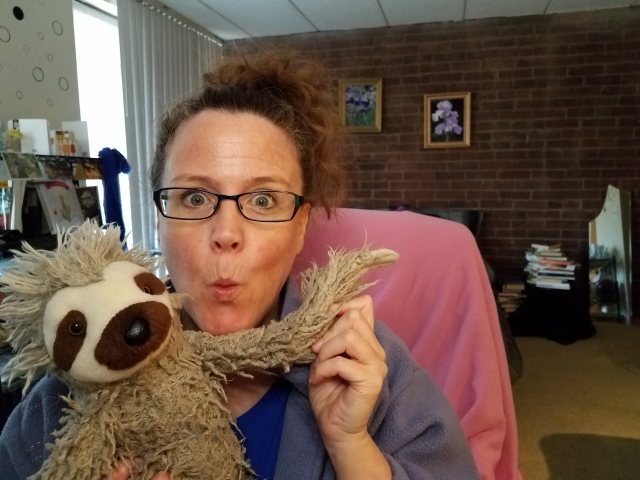
Listen, copywriters are a dime a dozen. Competent copywriters are rarer. Competent copywriters who make deadlines are rarer still. Competent copywriters who make deadlines and who have a sparkling personality and sidekick sloth, well . . .

Picture of Robyn (copywriter) and Stewie (a plush sloth) wondering "Is copywriting for me?"

5. You understand what marketing copy is—and you’re willing to continue learning.

No one is born knowing what “inbound marketing” means or how to write an optimized headline or how many characters should be in an email subject line. I hardly knew any of this stuff when I launched my copywriting career in 2002. So what did I do? I read. I studied. And I still read. I still study.

Three excellent places you should definitely check out:

  • HubSpot Academy: HubSpot offers FREE certifications in relevant areas, including inbound marketing and content marketing. I absolutely recommend taking the courses. (Then, you can add the completion badge to your website and your LinkedIn page).
  • Copyblogger: Copyblogger has plenty of ungated articles as well as a budget-friendly Academy.
  • Marketing Profs: If you really want to get into the nuts and bolts of marketing, this is a great place to start.

6. You have supportive folks in your life who believe in you and see your potential.

You need supportive folks in your life (or an incredible ability to ignore criticism and compartmentalize when people question what you’re doing) to start any sort of business, but especially one where you work out of your spare bedroom in your jammies.

7. You get really jazzed by what copywriting is. And what is copywriting, anyway?

Copywriting—at its most basic—is any writing that helps promote/sell a product, service, or cause. So if you love the idea of seeing your words in action—and helping businesses and organizations along the way—then, yeah: This is a good sign copywriting might be a good career for you (whether you decide to freelance or work for a company as an in-house writer).

Think copywriting is for you? Here are my go-to resources for learning the ins and outs.

I use Amazon Affiliate links. If you use one of the links to buy something, it won’t cost you more, but I’ll earn a small commission. I only recommend stuff that I believe in. I own both of these books.

OK, you just KNEW I couldn’t mention Ace of Base without inserting the song, right?

I used to work in radio a lifetime ago and played this song on the regs. This song has a wicked “cold” ending, as we say in the biz. (And they’re still together. Who knew?)